Off-Road Shops in Las Vegas: Where Racers Buy Parts & Accessories
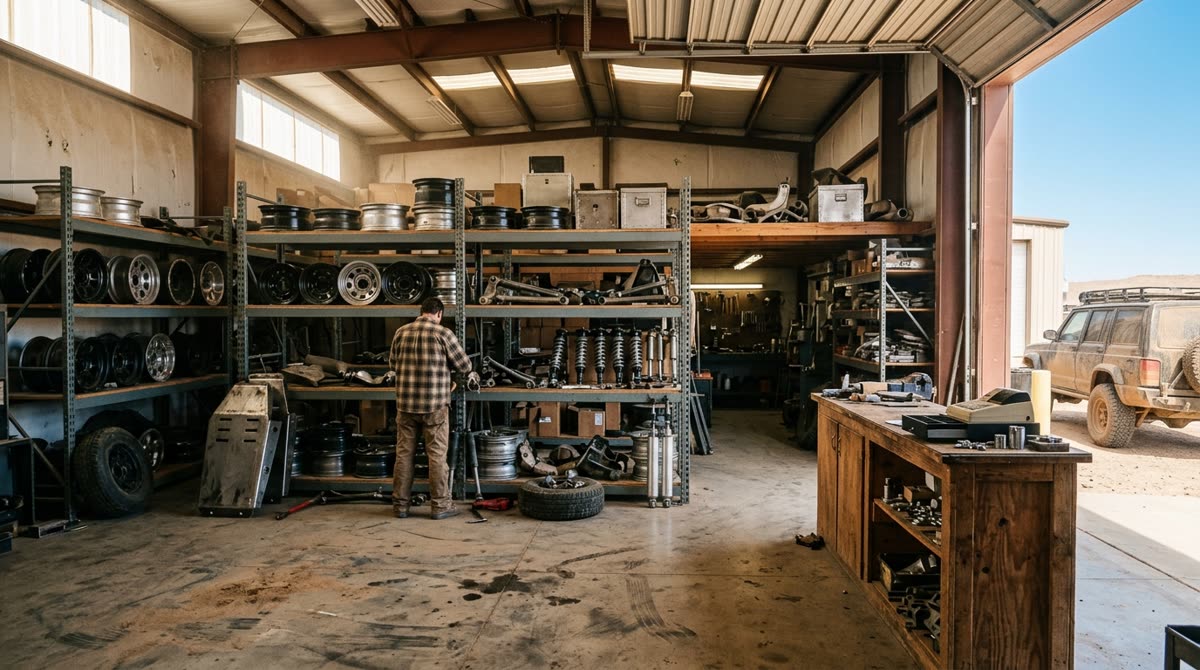
If you have searched for off road shops near me around the valley, you already know the desert asks a lot of your rig. At Live On Dirt, we spend our days around Las Vegas off road shop culture, and we built this guide to help drivers pick the right parts, plan smart upgrades, and get more out of every trail day. Below we break down what a good off-road shop actually does, which truck accessories matter most in this climate, and how to shop like the racers who run the trails just outside town.
What a Las Vegas Off Road Shop Really Does
A real Las Vegas off road shop does far more than sell parts off a shelf. The best crews inspect your rig, ask how you drive, and match components to the terrain you actually run. Around here that means rocky washes, deep sand, steep grades, and long highway stretches to reach the trailhead.
When you walk into a shop like this, expect the staff to check your suspension, measure your tires, and talk through your goals before recommending anything. That conversation saves money. It stops drivers from bolting on parts that look great but fight the way a truck moves through Nevada dirt.
Truck Accessories Las Vegas Drivers Reach For First
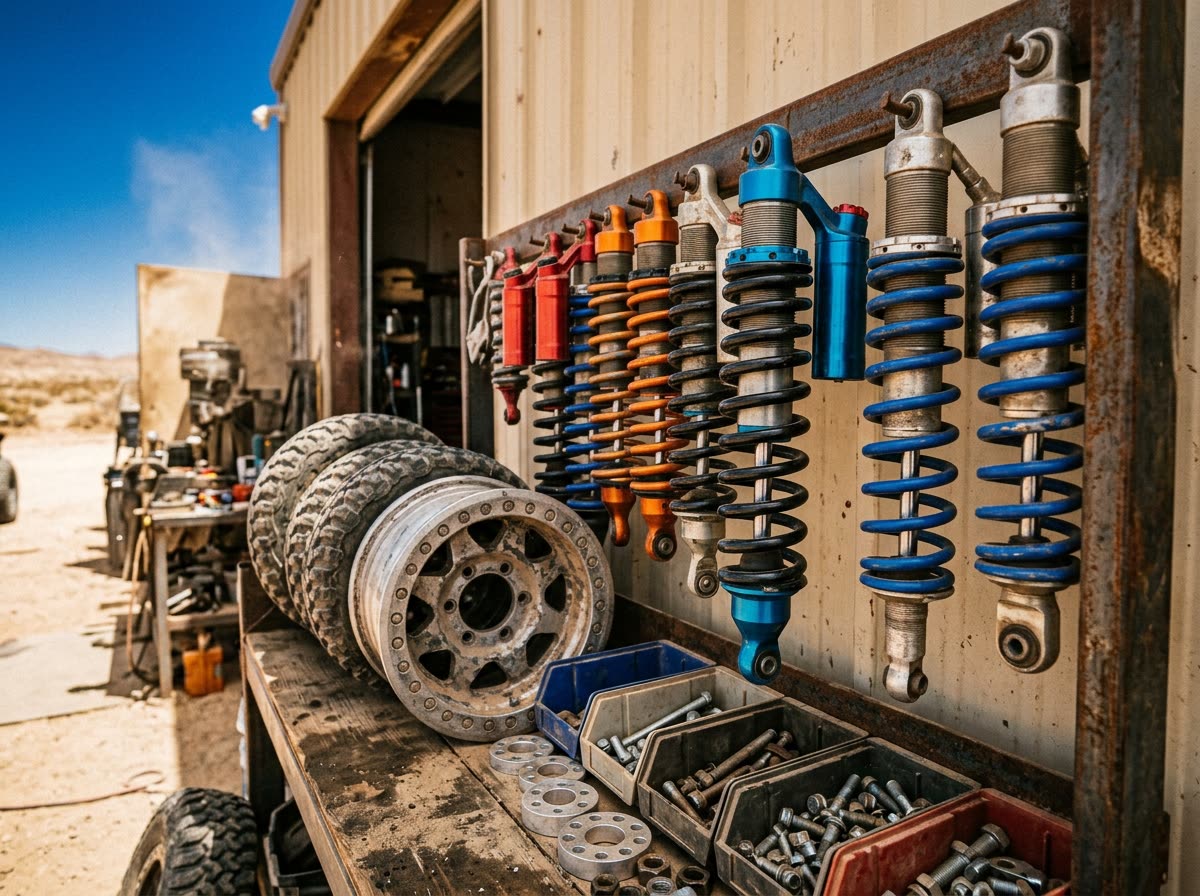
Ask about truck accessories Las Vegas owners buy early, and a few names come up again and again. Skid plates protect the underbody. Lift kits add clearance. All-terrain tires bite into loose ground. Recovery gear pulls you out when the sand wins.
Heat shapes these choices more than newcomers expect. The valley bakes rubber, cooks batteries, and stresses cooling systems. Because of that, drivers here prioritize upgraded coolers, quality shocks that shed heat, and tires rated for hot pavement and rough trail alike.
We also see steady demand for bed racks, roof storage, and lighting. Long summer nights and early desert starts make good LED bars a practical buy, not just a look.
How Racers Choose Parts and Plan Upgrades
Racers think in stages. They rarely dump money into one giant build. Instead they set a goal, upgrade the weakest link, test it on the trail, then move to the next part. This approach spreads out cost and teaches you how each change behaves.
Start with the parts that keep you safe and moving: tires, suspension, and recovery gear. Add power, armor, and storage later. When you pace an off-road build this way, every trip tells you what the truck needs next.
Getting the Most From Your Local Shop
Bring photos, bring questions, and bring an honest read on how hard you push your rig. A good shop wants that detail. It helps them fit parts to your driving instead of guessing.
Ask about install timelines, warranty coverage, and how a part holds up in desert heat. Shops that answer plainly and show you the trade-offs are the ones worth returning to. Around Las Vegas, that kind of straight talk is what separates a parts counter from a true off-road partner.
Frequently Asked Questions
Q: How do I find good off road shops near me in Las Vegas? A: Look for shops that inspect your rig before selling parts, ask how and where you drive, and explain how upgrades hold up in desert heat. Straight answers and hands-on checks matter more than a big showroom.
Q: What truck accessories should a new off-roader buy first? A: Start with safety and mobility: all-terrain tires, solid suspension, skid plates, and recovery gear. Add lighting, storage, and power upgrades once the basics are dialed in.
Q: Why does the Las Vegas climate affect off-road parts? A: Extreme heat stresses tires, batteries, and cooling systems. Parts rated for high temperatures and rough desert trails last longer than gear built for milder regions.
Q: Should I build my off-road truck all at once? A: Most racers upgrade in stages. Fixing the weakest part first, testing it on the trail, then moving on spreads out cost and teaches you what your rig truly needs.